13 Jul 2026
UK Government Launches Consultation on Unlicensed Gambling Sponsorship Bans for Sports Teams
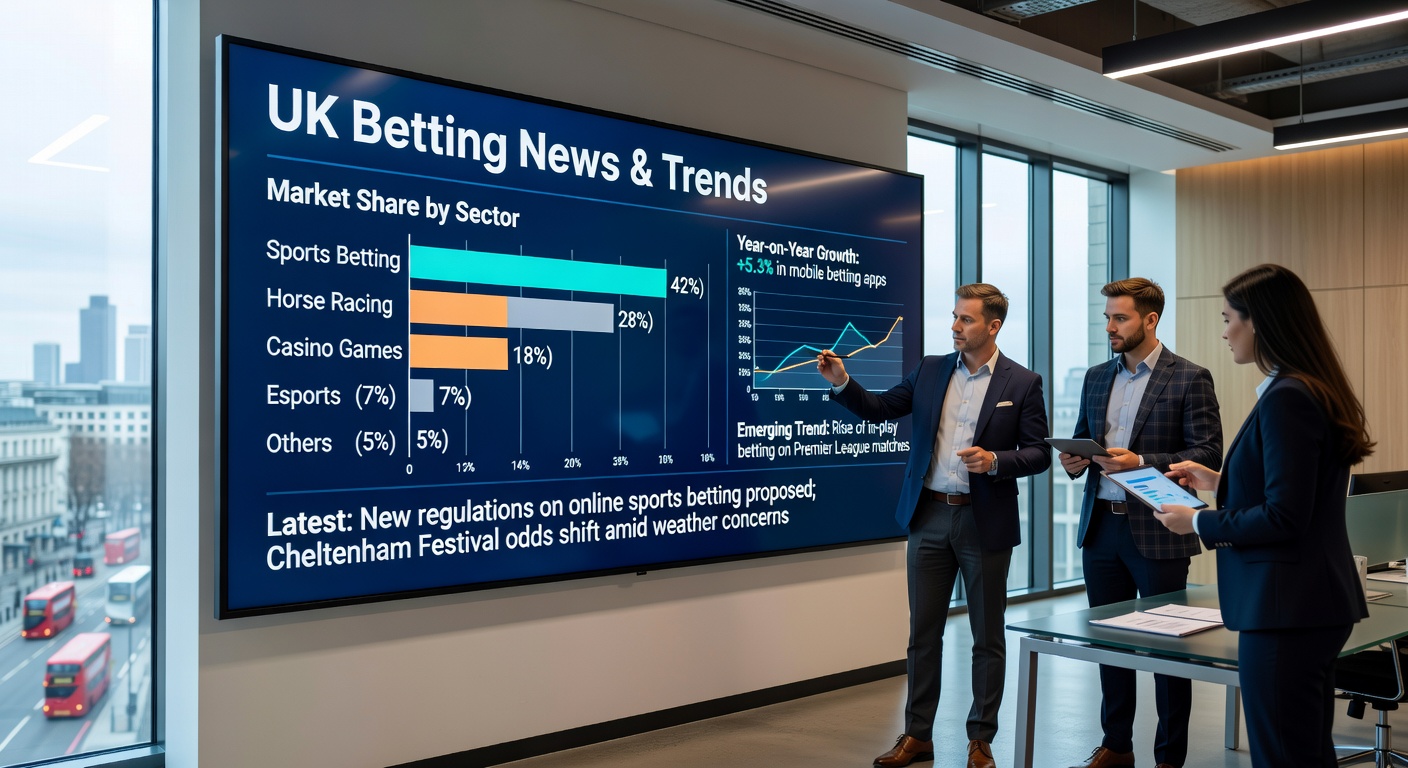 The UK government plans to open a consultation this week that targets unlicensed gambling operators and their ability to sponsor British sports teams, and this step follows ongoing criticism about regulatory delays that permitted certain high-profile agreements. One such deal involved Everton FC signing a three-year sleeve sponsorship with Stake.com in late June 2026, yet the timing of these events has drawn attention from regulators and industry watchers alike. Observers note that the proposed measures aim to close gaps that have allowed unlicensed entities to maintain visibility in major leagues, while licensed operators continue to operate under stricter oversight. The consultation arrives amid warnings issued by the Gambling Commission, which has alerted clubs and their executives about potential liability when promoting unlicensed operators. Stake itself surrendered its UK licence in 2025 after facing regulatory scrutiny, and this surrender left the operator without formal approval to conduct activities in Britain even as sponsorship arrangements persisted in some cases. Data from regulatory filings shows that such transitions can create periods where branding remains visible despite the absence of a valid licence, prompting calls for clearer boundaries.
Details of the Everton FC and Stake.com Agreement
Everton FC completed its three-year sleeve sponsorship with Stake.com in late June 2026, and this arrangement occurred before the full rollout of new restrictions under discussion. The agreement placed the operator's branding on team kits, which generated visibility across domestic and international broadcasts. Those who've tracked similar deals point out that sleeve sponsorships offer prominent exposure compared with traditional shirt placements, and this prominence amplified concerns once Stake's licensing status changed. Figures from the club’s announcements confirm the multi-year term, which extends into future seasons and raises questions about ongoing compliance checks.
Critics have highlighted delays in policy implementation that allowed the Everton deal to proceed, and these delays occurred while broader reviews of gambling advertising continued. The government consultation seeks to address such timing issues by establishing firmer rules that would prevent unlicensed operators from entering new sponsorship contracts. According to statements from ministers, the process will gather input from sports bodies, operators, and consumer groups before any final legislation takes shape.
Gambling Commission Warnings and Regulatory Actions
The Gambling Commission issued direct warnings to clubs and executives regarding liability for promoting unlicensed operators, and these notices emphasized that responsibility rests with those who facilitate the visibility of such brands. Stake’s surrender of its UK licence in 2025 followed periods of increased regulatory examination, yet the operator maintained certain international presences that intersected with UK sports. Licensed operators have since pointed to risks involving consumer protection, tax revenue collection, and the maintenance of consistent regulatory standards across the market.

One might notice that the Commission’s approach includes references to its Guidance on sports sponsorship and advertising, which outlines expectations for licensed entities. This guidance stresses due diligence when partnerships form, and it connects directly to the current consultation by providing a framework that unlicensed operators bypass. Researchers who monitor enforcement patterns observe that warnings often precede formal consultations, allowing stakeholders time to adjust practices ahead of tighter controls.
Potential Impacts on Consumers, Revenue, and Standards
Ministers and licensed operators have drawn attention to several interconnected risks that arise when unlicensed operators secure sponsorships, and these include exposure of consumers to operators outside UK oversight frameworks. Tax revenue can shift away from domestic collection points when deals favor offshore entities, while regulatory standards face dilution if different operators follow varying rules. The consultation will examine mechanisms to prevent such shifts, including possible prohibitions on new contracts and requirements for existing arrangements to conclude at set dates.
Evidence from past regulatory actions indicates that licence surrenders like Stake’s in 2025 can leave sponsorship visuals in circulation for extended periods, and this situation creates enforcement challenges for leagues and broadcasters. The upcoming consultation aims to introduce timelines that limit such carryover effects, and input from sports teams will help shape practical implementation steps. Those involved in compliance work note that early consultation phases often reveal operational details that later influence enforcement priorities.
Next Steps in the Consultation Process
The government expects the consultation to run for several weeks after its launch, and responses will inform draft rules that could reach parliamentary consideration later in 2026. Participants will address topics such as definitions of unlicensed status, transition periods for current deals, and penalties for non-compliance. Sports clubs receive particular focus because their partnerships generate widespread media exposure that reaches large audiences, including younger viewers who encounter branding during matches.
Turnout for similar consultations in previous years has included submissions from football associations, betting trade bodies, and public health organisations, and these diverse perspectives help balance commercial interests against consumer safeguards. The process also considers how rules might align with existing advertising codes that already restrict certain promotions during live sports events. Observers expect the outcome to produce clearer lines between licensed and unlicensed activity, reducing ambiguity that has surfaced in recent sponsorship cases.
Conclusion
The consultation represents a targeted response to specific sponsorship arrangements that occurred amid shifting licensing statuses, and it builds on warnings already issued by the Gambling Commission. Stakeholders across sports and gambling sectors will have opportunities to contribute views during the coming weeks, while the government gathers information needed to finalise proposals. Licensed operators continue to operate within established frameworks, and the consultation seeks to extend similar protections to sponsorship activities that reach British audiences through team partnerships.