21 Aug 2026
Subscription Structures Produce Separate Outcome Patterns in Sports Forecasting Platforms
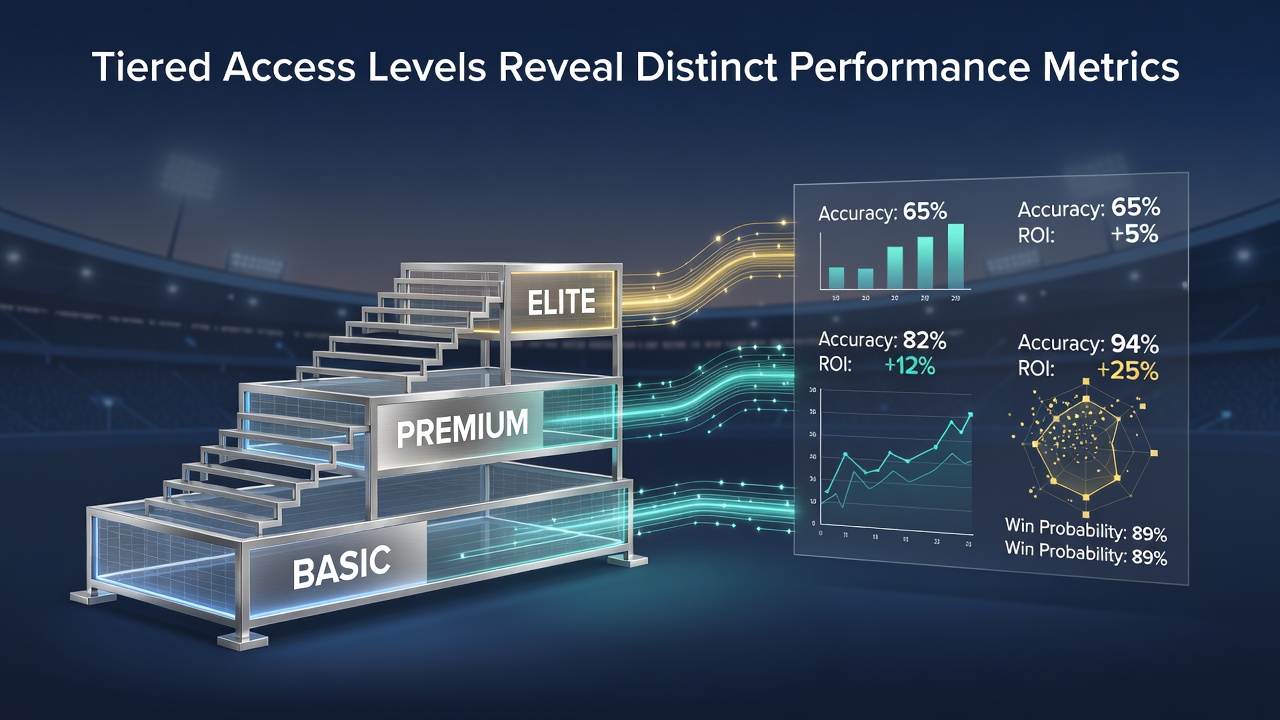
Data from multiple platforms operating in August 2026 shows clear separations in results when users access different service levels, with free tiers posting lower strike rates than paid options while premium segments deliver the highest consistency across football, tennis, and horse racing events.
Researchers tracking these platforms note that free services often rely on broader market consensus picks, which leads to moderate returns over extended periods, whereas paid tiers incorporate more detailed statistical modeling and real-time adjustments based on team news or track conditions. Observers note that this tiered approach creates measurable gaps in long-term yield, particularly during busy summer schedules that include major tennis tournaments and racing festivals.
Free Access Levels and Baseline Results
Free prediction services typically publish selections drawn from public data sources and basic algorithms, which produces win rates hovering around 52 to 55 percent in major leagues according to aggregated platform reports. Those who monitor these offerings find that volume plays a role here because higher numbers of tips spread risk across many events, yet individual accuracy stays lower than restricted tiers because updates occur less frequently.
Studies from the University of Nevada Reno's International Gaming Institute indicate that casual users sticking with free tiers experience steadier but modest bankroll movement when they follow disciplined staking plans rather than chasing every selection. This pattern holds especially true during August 2026 fixtures where fixture congestion affects form lines in several European leagues.
Paid Daily Plans and Mid-Level Performance
Standard paid subscriptions introduce daily or weekly updates along with access to historical databases, pushing recorded success rates into the 58 to 62 percent range across tracked services. The added detail covers variables such as player availability, weather impacts on tracks, and head-to-head records that free users rarely see in depth.
Figures from the Australian Institute of Criminology's gambling research division reveal that users on these mid-tier plans maintain better discipline with bankroll allocation, resulting in improved monthly returns compared with free-only participants. Platform operators report that daily plan subscribers often combine selections from multiple sports, which further stabilizes outcomes when one category experiences temporary dips.
VIP Segments and Highest Recorded Metrics
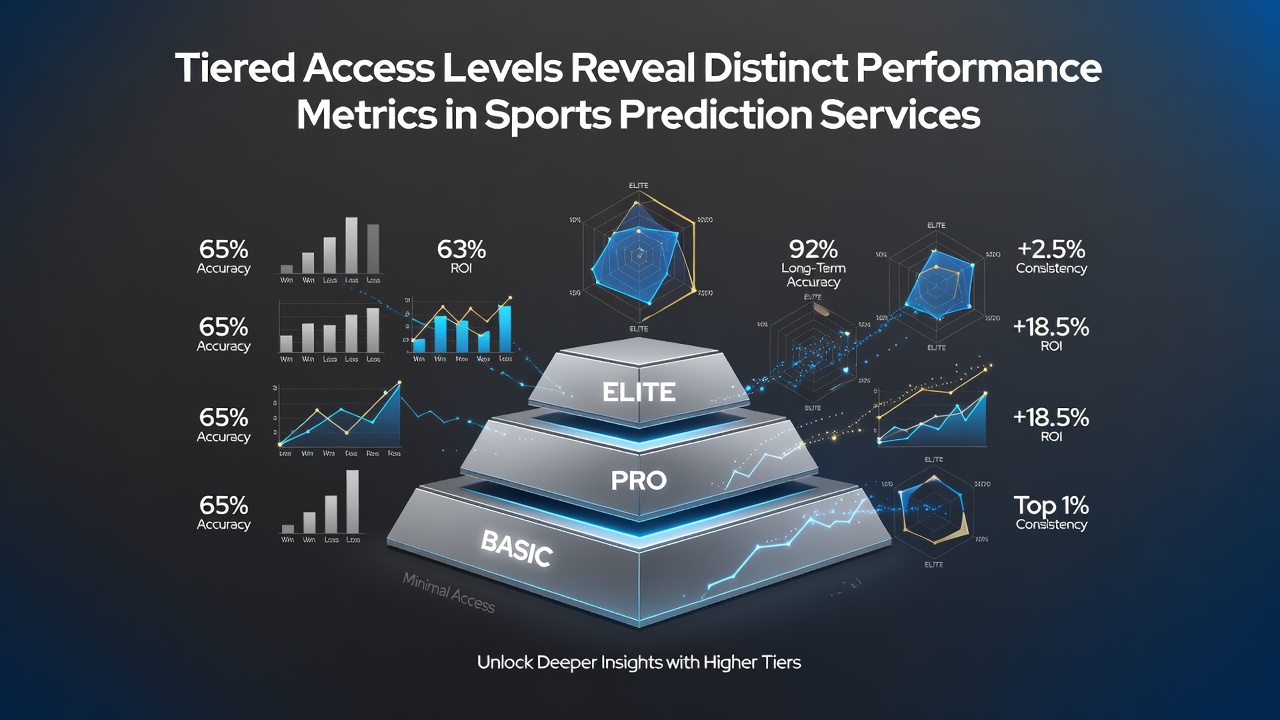
Premium VIP access grants real-time alerts, private community discussions, and tailored staking advice, with documented win percentages climbing to 65 percent or above in several monitored cases during the first half of 2026. These tiers limit distribution to smaller groups, allowing for faster incorporation of late-breaking information such as injury reports or non-runners.
Those who study platform data observe that VIP users frequently receive fewer but higher-confidence selections per week, which contributes to the elevated strike rates because each tip undergoes stricter filtering. Reports from the Canadian Centre on Substance Use and Addiction highlight similar concentration benefits in regulated markets where premium services operate under stricter transparency requirements.
Cross-Tier Comparisons and Seasonal Factors
When analysts compare all three levels side by side, the performance spread widens during peak periods such as the August 2026 tennis swing and early autumn racing meets. Free tiers show more variance week to week, paid plans maintain steadier curves, and VIP segments post the tightest clustering around their average returns.
Industry tracking groups note that the gap between tiers narrows slightly when services publish transparent verification records, because users can then verify claims against independent results feeds. This transparency also encourages platforms to refine their models rather than rely on marketing claims alone.
Conclusion
Platform records demonstrate that access tier directly correlates with measurable differences in prediction accuracy and long-term user outcomes across major sports. Free levels deliver accessible entry points with moderate reliability, daily subscriptions add depth that improves consistency, and VIP structures produce the strongest documented results through restricted distribution and enhanced data inputs. These patterns continue to shape how services structure their offerings heading into late 2026.